
New York Times: Saudis Close to Crown Prince Discussed Killing Other Enemies a Year Before Khashoggi’s Death
Tehran (KNA): Top Saudi intelligence officials close to Crown Prince Mohammed bin Salman asked a small group of businessmen last year about using private companies to assassinate Iranian enemies of the kingdom, according to three people familiar with the discussions.
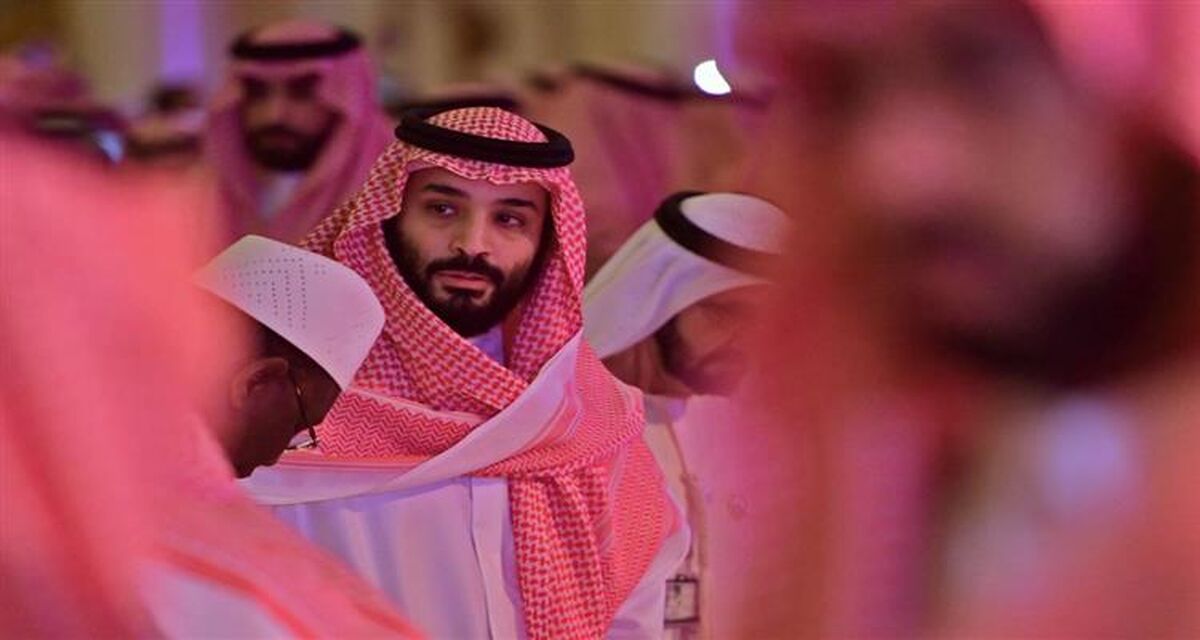
The Saudis inquired at a time when Prince Mohammed, then the deputy crown prince and defense minister, was consolidating power and directing his advisers to escalate military and intelligence operations outside the kingdom. Their discussions, more than a year before the killing of the journalist Jamal Khashoggi, indicate that top Saudi officials have considered assassinations since the beginning of Prince Mohammed's ascent.
Saudi officials have portrayed Mr. Khashoggi's death as a rogue killing ordered by an official who has since been fired. But that official, Maj. Gen. Ahmed al-Assiri, was present for a meeting in March 2017 in Riyadh, the Saudi capital, where the businessmen pitched a $2 billion plan to use private intelligence operatives to try to sabotage the Iranian economy.
During the discussion, part of a series of meetings where the men tried to win Saudi funding for their plan, General Assiri's top aides inquired about killing Qassim Suleimani, the leader of the Quds Force of Iran's Revolutionary Guards Corps and a man considered a determined enemy of Saudi Arabia.
The interest in assassinations, covert operations and military campaigns like the war in Yemen - overseen by Prince Mohammed - is a change for the kingdom, which historically has avoided an adventurous foreign policy that could create instability and imperil Saudi Arabia's comfortable position as one of the world's largest oil suppliers.
As for the businessmen, who had intelligence backgrounds, they saw their Iran plan both as a lucrative source of income and as a way to cripple a country that they and the Saudis considered a profound threat. George Nader, a Lebanese-American businessman, arranged the meeting. He had met previously with Prince Mohammed, and had pitched the Iran plan to Trump White House officials. Another participant in the meetings was Joel Zamel, an Israeli with deep ties to his country's intelligence and security agencies.
Both Mr. Nader and Mr. Zamel are witnesses in the investigation by Robert S. Mueller III, the special counsel, and prosecutors have asked them about their discussions with American and Saudi officials about the Iran proposal. It is unclear how this line of inquiry fits into Mr. Mueller's broader inquiry. In 2016, a company owned by Mr. Zamel, Psy-Group, had pitched the Trump campaign on a social media manipulation plan.
A spokesman for the Saudi government declined to comment, as did lawyers for both Mr. Nader and Mr. Zamel.
During the March 2017 meeting about the plan to sabotage Iran's economy, according to the three people familiar with the discussions, the Saudis asked the businessmen whether they also "conducted kinetics" - lethal operations - saying they were interested in killing senior Iranian officials. The businessmen hesitated, saying they would need to consult their lawyer.
The lawyer flatly rejected the plan, and the businessmen told the Saudis they would not take part in any assassinations. Mr. Nader told the Saudis about a London-based company run by former British special operations troops that might take on the contract. It is unclear which company he suggested.
Before he was ousted last month, General Assiri was considered one of Prince Mohammed's closest advisers, a man whose sharp ascent tracked the rise of the young crown prince. In 2016, he became the public face of Saudi Arabia's campaign in Yemen, giving briefings about the state of the war. He traveled frequently to Washington, where Saudi-paid lobbyists brought him to think tanks to give optimistic assessments about the campaign's progress and he extolled the Saudi concern for the welfare of civilians.
By 2017, however, the Saudi campaign that General Assiri oversaw in Yemen had ground into a military stalemate and, despite his assurances, a humanitarian catastrophe. But his patron, Prince Mohammed, also consolidated his power over all of the kingdom's security apparatuses, and he promoted General Assiri to the deputy head of the kingdom's spy agency, the General Intelligence Directorate.
Western analysts believe that Prince Mohammed moved General Assiri there in part to keep an eye on the spy chief, Khalid bin Ali bin Abdullah al-Humaidan, known as Abu Ali, who was close to Western intelligence agencies and suspected of harboring loyalties to one of the crown prince's royal rivals.
General Assiri was dismissed last month when the Saudi government acknowledged Mr. Khashoggi's killing and said he had organized the operation. On Saturday, President Recep Tayyip Erdogan of Turkey said his government had handed over a recording of Mr. Khashoggi's killing to the United States, Saudi Arabia, Britain and France, pressuring President Trump to more harshly punish the Saudis over the murder.
Source:New York Times