
Both sides(Iran and U.S.) have said they are not seeking war: Paul Pillar
Tehran (KNA): We have an exclusive interview with P.Pillar about recent challenges between Iran and United States.
By taking a couple of small, carefully calibrated steps towards the exit from the 2015 nuclear deal, Iran has given Europe and China a two-month ultimatum to stand up to the US on the world stage, or risk a slide towards a new Middle East conflict.
In the year since Donald Trump abrogated the multilateral agreement with Iran - by which Tehran accepted stringent limits on its nuclear program in return for sanctions relief - the European, Russian and Chinese parties to the deal swore to uphold it. But they have failed so far to shield Iran from redoubled US sanctions.
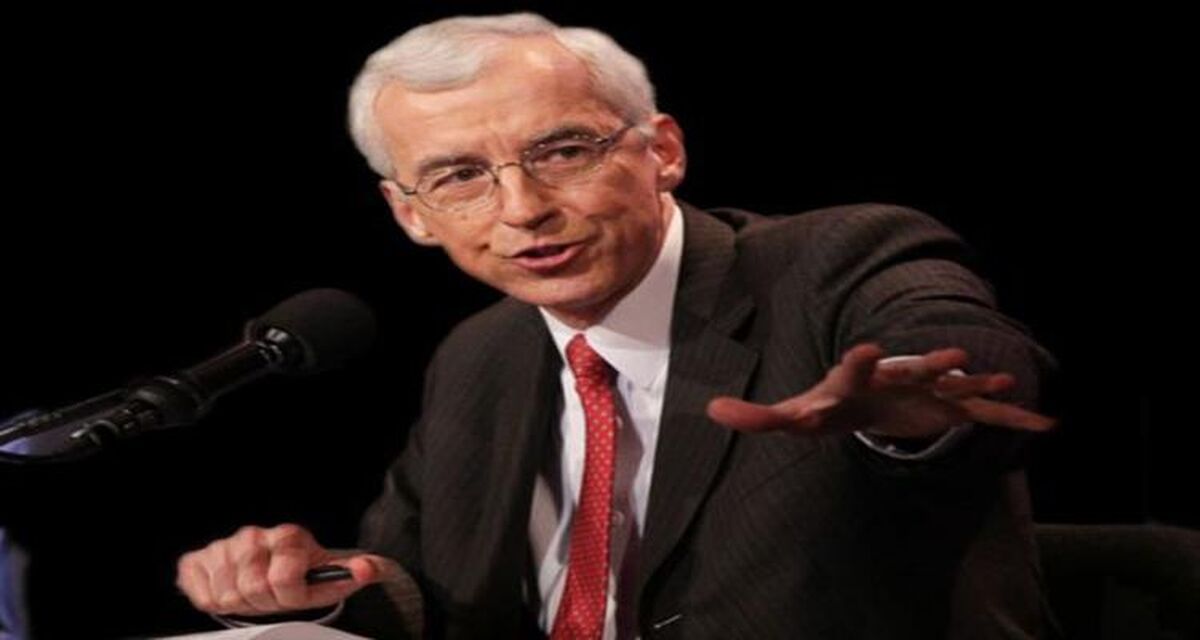
We have an exclusive interview Paul.R.Pillar about this issue. Paul Pillar is an academic and 28-year veteran of the Central Intelligence Agency (CIA), serving from 1977 to 2005. He is now a non-resident senior fellow at Georgetown University's Center for Security Studies as well as a nonresident senior fellow in the Brookings Institution's Center for 21st Century Security and Intelligence.
He was a visiting professor at Georgetown University from 2005 to 2012. He is a contributor to The National Interest.
Q. Recently John Bolton announced the United States is deploying the USS Abraham Lincoln Carrier Strike Group and a bomber task force to the Middle East in response to a "number of troubling and escalatory indications and warnings" from Iran. On the Other hand, Iran announced that perhaps will withdraw from JCPOA and maybe close the Strait of Hurmuz in the Persian Gulf and is a really important strategic area in the Middle East. Now, what do you think about the future? How much the war between Iran and USA is close ?
A. Both sides have said they are not seeking war, but the risk of an accident or other unforeseen incident escalating into a full-scale military clash is greater now than it has been for most of the last several years. Within the Trump administration, the objectives depend on which official one is referring to. John Bolton clearly would welcome war with Iran, Donald Trump would not, although Bolton and others have maneuvered him into a policy that has made war more likely.
Q. How do you think about the possible war in the Persian Gulf Water?
A. Any military clash between Iran and the United States would have destabilizing effects throughout the Persian Gulf, including at least some interruption to the oil trade. The United States is more powerful militarily than Iran, although Iran would find ways to strike back at times and places of its own choosing.