
President praises oil industry for uninterrupted fuel supply amid war
President Masoud Pezeshkian, while appreciating the efforts of Iranian oil industry employees in maintaining uninterrupted fuel supplies and production under recent critical circumstances, has tasked the Ministry of Petroleum with two strategic missions: the optimal management of energy and petrochemicals.
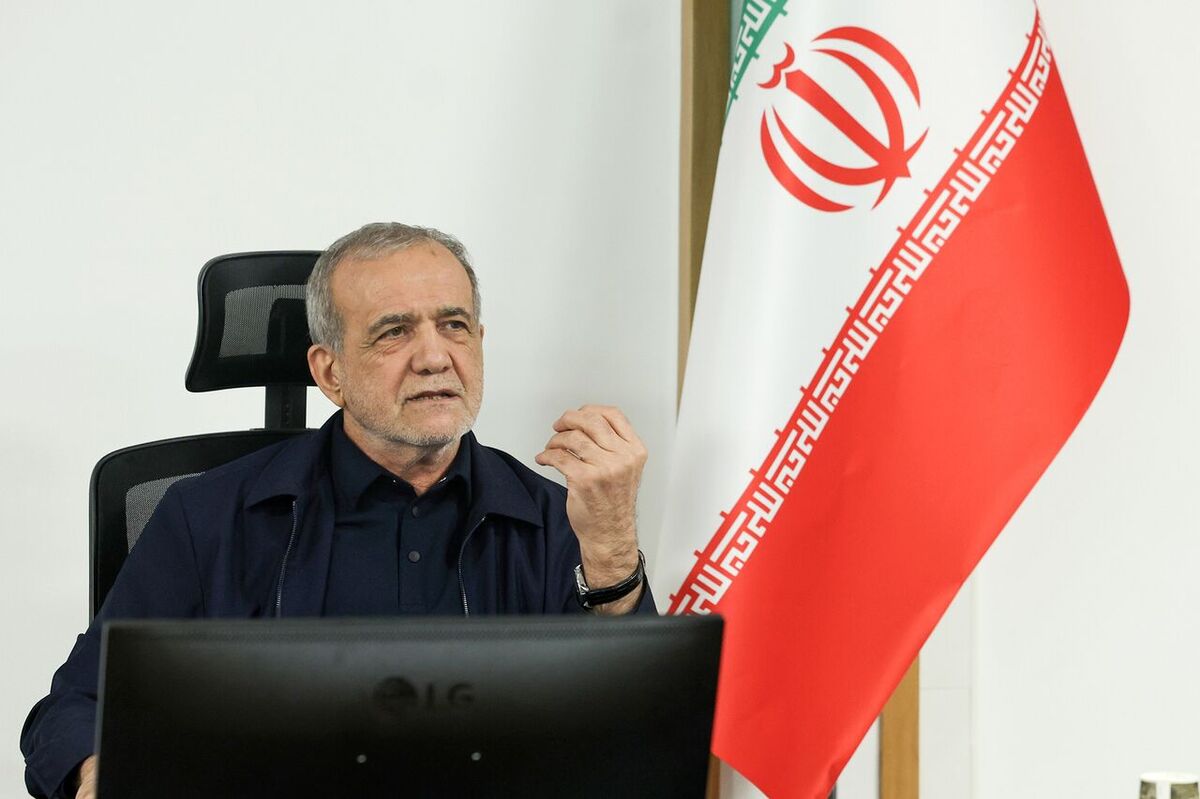
During the meeting with the minister, deputies, and senior managers, he reviewed the latest situation in the energy sector, including oil production and exports, fuel supply, and the gas and petrochemical industries.
The minister presented a comprehensive report on the performance of the oil industry during the 40 days of war launched by the US and the Israeli regime, the operational conditions of energy facilities, and the efforts of employees in maintaining production and supply.
The report also described the status of damaged units, technical and engineering measures to rebuild infrastructure, and the management of conditions following restrictions and a maritime blockade.
Pezeshkian commended the round-the-clock efforts of managers, engineers, and employees of the oil industry, stating that their sacrifices and spirit had prevented any disruption in the production, transportation, and supply of fuel, and therefore, they deserve appreciation.
Referring to external pressures and damage to parts of the country's energy infrastructure, he urged citizens to avoid unnecessary energy consumption, saying that the widespread use of single-occupancy vehicles is an example of waste of national resources.
Public support and reforming consumption patterns are needed to successfully overcome this situation, he noted, adding that the government cannot spend the country's resources on importing fuel for unnecessary consumption, because the main priority is supporting people's livelihoods.
In another part of his speech, the president conveyed two specific missions to the Ministry of Petroleum. First, he said, it should prioritize the allocation of gas to productive, wealth-generating, and high-value sectors, arguing that such a measure could generate billions of dollars in income.
The second mission, he said, is to develop a provincial quota system based on the real needs of each region, so that through careful management of resources, a sustainable energy supply can be provided to vital and strategic sectors.