
Texas Church Shooter Once Escaped From Insane Asylum
Tehran (KNA): The gunman who killed 26 people in a church in Texas on Sunday escaped from a psychiatric hospital.
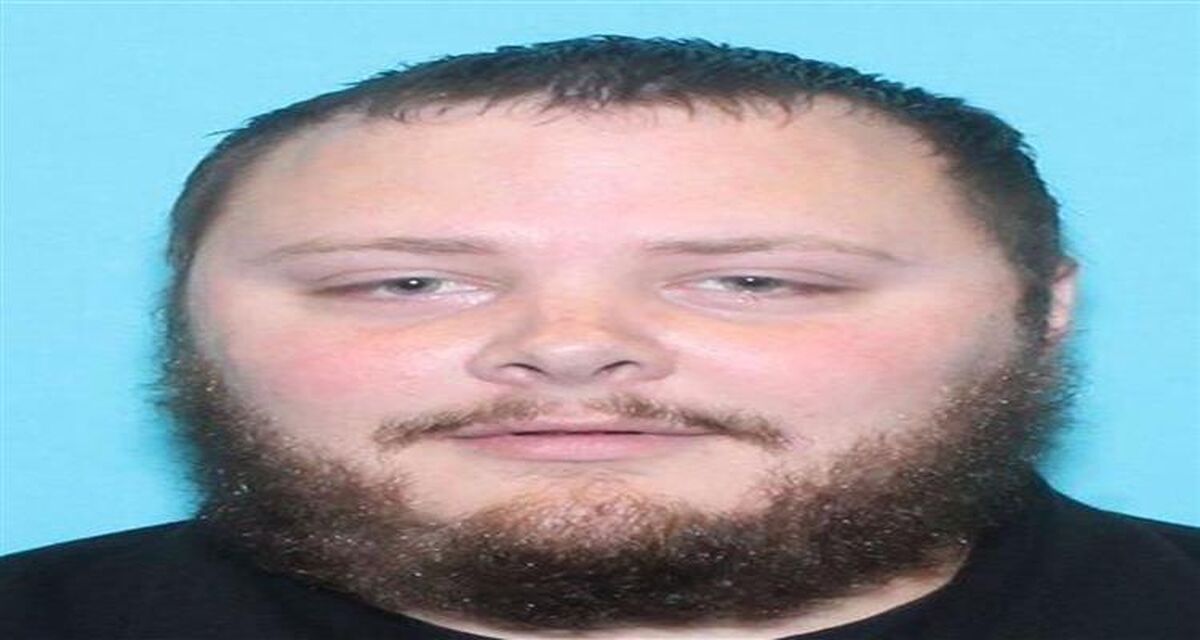
The gunman who killed 26 people in a church in Texas on Sunday escaped from a psychiatric hospital while he was in the Air Force, after threatening his superiors and attempting to sneak weapons onto the base where he was stationed, a 2012 police report shows.
The police took the man, Devin P. Kelley, into custody at a bus station in El Paso, where he apparently planned to get away on a bus after escaping from Peak Behavioral Health Services, a hospital in Santa Teresa, New Mexico. He was sent there after being charged in a military court with battering his wife and baby stepson, charges he later pleaded guilty to.
The report filed by the El Paso officers shows that the person who reported Mr. Kelley missing from the hospital advised them that he "suffered from mental disorders," and that he "was attempting to carry out death threats" against "his military high-ranking officers." The man "was a danger to himself and others as he had already been caught smuggling firearms onto Holloman Air Force Base," it added. The police report was published on Tuesday by KPRC, a Houston television station.
Later that year, Mr. Kelley pleaded guilty in a military court to repeated assaults on his wife and her toddler son, including one that left the boy with a cracked skull. He was sentenced to a year in a Navy prison.

On Tuesday at a news conference, detectives said they had hit a barrier as they tried to understand what motivated Mr. Kelley's rampage at the First Baptist Church of Sutherland Springs: they have not been able to unlock his cellphone, repeating an issue that received national attention after another mass shooting nearly two years ago.
Law enforcement officers recovered the phone held by Mr. Kelley and sent it to the F.B.I. laboratory in Quantico, Virginia, for examination.
"Unfortunately, at this point in time, we are unable to get into that phone," Christopher H. Combs, the special agent head of the F.B.I.'s San Antonio office, said on Tuesday. He declined to say the name or model of the phone, believing that it would encourage other criminals to get the same kind of device, to hide their communications from law enforcement.
After the 2015 massacre at a conference center in San Bernardino, California, the F.B.I. was incapable of unlocking an iPhone device belonging to one of the shooters. The bureau went to court to try to force Apple to build a software "back door" allowing law enforcement agencies to unlock phones, but the company refused.
Before the issue could come to a result, the F.B.I. hired hackers who were able to get into the phone.
Source: The NY Times