
Trump is unable to justify breaking JCPOA because of strong opposition by European countries: Professor Ferraro
Tehran(KNA): We had an exclusive interview with Professor Ferraro about Trump’s decision about Iran’s nuclear treaty and future of JCPOA.
President Donald Trump has recently agreed not to re impose nuclear sanctions on Iran, but said it would be the last time he issues such a waiver, according to the White House.
Trump said Friday he wanted America's European allies to use the 120-day period before sanctions relief again comes up for renewal to agree to tougher measures and new conditions, otherwise, he noted, Washington would pull out of the deal.
Many thinkers and experts believe at last Iran's nuclear treaty would be violated by the US. We had an interview about this issue with a political science professor, Vincent Ferraro.
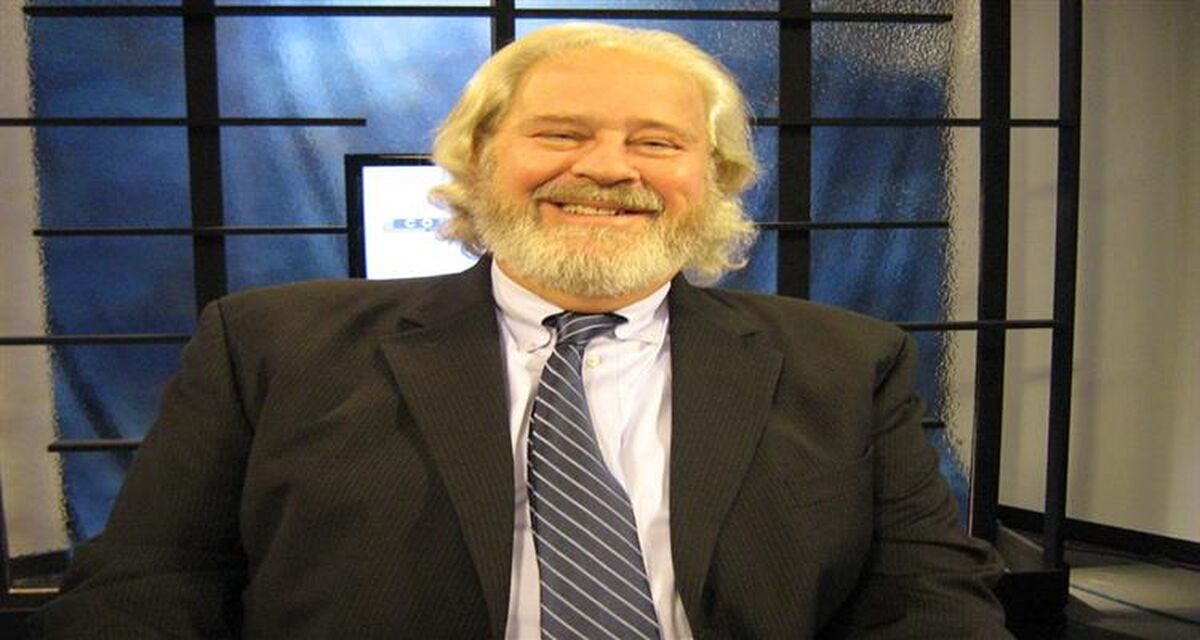
Professor Vincent Ferraro is the Ruth Lawson Professor of Politics at Mount Holyoke College, where he has been teaching since 1976. His research focuses on changes in international relations since the Cold War, and he teaches courses on World Politics, American Foreign Policy and International Political Economy. Professor Ferraro previously served as the academic consultant to the United Nations Association of the United States and to the United Nations Development Program.
I asked him that What does he think about Iran and 5+1 deal? Does The US support this treaty or Trump at last violate that? In general, Is he optimistic about this treaty?
Professor Ferraro asserted that the nuclear deal was very good for Iran and the world.
"I do not believe that Iran was intent on actually building a nuclear weapon, but that it was trying to assure that, if the situation were to change dramatically, it would be able to build one quickly if necessary. The threats from two nuclear powers, Israel and the US, certainly justified that course of action".
He continued: "The current Administration in the US does not support the treaty, but finds itself unable to justify breaking the treaty because of strong opposition from Britain, France, Germany, Russia, and China to that course of action. The issues raised by the US--missile development and support for Hezbollah and Hamas--are irrelevant to the JCPOA. And the other partners to the treaty find good relations with Iran to be highly beneficial".
Professor Ferraro, then, focused on the goal of the US to violate JCPOA.
"The US (and Israel) are now trying to create conditions that will push Iran to break the treaty and I fear that both will ratchet up hostile actions in order to provoke Iran. I believe that President Rouhani is aware of this strategy and will not take the bait. But there are also hardliners in Iran who might react to these provocative moves in a way that might jeopardize the JCPOA".
After that, Professor Ferraro explained that Iran's policy must be keeping connected to other countries instead of America and said: "The best course of action for Iran (and, for other countries in the world on other issues) would be to ignore the Trump Administration and to build good relations with other powerful countries in the world. The US under Trump is not a reliable or responsible partner in international affairs".

We then asked him about the results of violation of JCPOA.
"How does it {violation} effect on Iran and The US and their international policies and relationships? I mean, is it possible to make a better deal after violating this treaty?" We asked.
"If Iran were to break the Treaty and that delict was verified by the IAEA, I suspect that the US and Israel would attack Iranian nuclear facilities". He said.
Professor Ferraro mentioned, at the end of interview, the results of the breaking JCPOA and said:
"There is a remote possibility that the Treaty could be improved if, after either Iran or the US breaks the Treaty, all the involved parties come together and make short or quick improvements (like inserting clear language about the range of approved missile launches). But there is virtually no possibility for complex changes which would require sustained negotiations. The bad faith after a unilateral rupture would preclude such negotiations".