Iran may withdraw from nuclear deal if gets no benefits: Araqchi
Tehran (KNA) - Iran says it could withdraw from the 2015 nuclear deal if the “atmosphere of uncertainty” created by the new US administration continues to prevent Tehran from reaping the benefits of the multilateral accord, particularly in the business and banking sectors
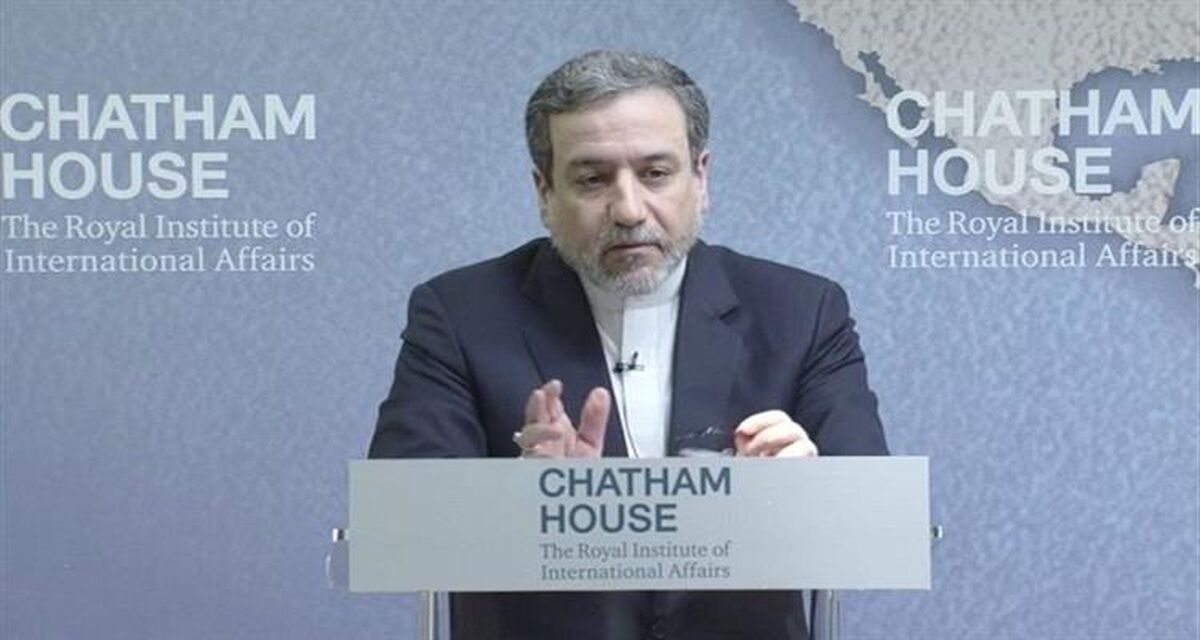
Speaking at Britain's Royal Institute of International Affairs in London, Iranian Deputy Foreign Minister Abbas Araqchi criticized US President Donald Trump over his threat to stop waiving anti-Iran sanctions, a US commitment under known as the Joint Comprehensive Plan of Action (JCPOA).
"If the same policy of confusion and uncertainties about the JCPOA continues, if companies and banks are not working with Iran, we cannot remain in a deal that has no benefit for us," he said. "Trump has created an atmosphere of uncertainty which is like a poison for the business community in working with Iran."
Iran and the five permanent members of the United Nations Security Council - the United States, France, Britain, Russia and China - plus Germany signed the nuclear agreement on July 14, 2015 and started implementing it on January 16, 2016.
Under the JCPOA, Iran undertook to put limits on its nuclear program in exchange for the removal of nuclear-related sanctions imposed against Tehran.
Trump has repeatedly described the nuclear deal, as "the worst and most one-sided transaction Washington has ever entered into," a characterization he often used during his presidential campaign, and threatened to tear it up.
The US president on January 12 reluctantly agreed to waive sanctions against Iran that were lifted as part of the landmark deal, but said it would be the last time he issued such a waiver unless his conditions were met.
Source: Press TV
Speaking at Britain's Royal Institute of International Affairs in London, Iranian Deputy Foreign Minister Abbas Araqchi criticized US President Donald Trump over his threat to stop waiving anti-Iran sanctions, a US commitment under known as the Joint Comprehensive Plan of Action (JCPOA).
"If the same policy of confusion and uncertainties about the JCPOA continues, if companies and banks are not working with Iran, we cannot remain in a deal that has no benefit for us," he said. "Trump has created an atmosphere of uncertainty which is like a poison for the business community in working with Iran."
Iran and the five permanent members of the United Nations Security Council - the United States, France, Britain, Russia and China - plus Germany signed the nuclear agreement on July 14, 2015 and started implementing it on January 16, 2016.
Under the JCPOA, Iran undertook to put limits on its nuclear program in exchange for the removal of nuclear-related sanctions imposed against Tehran.
Trump has repeatedly described the nuclear deal, as "the worst and most one-sided transaction Washington has ever entered into," a characterization he often used during his presidential campaign, and threatened to tear it up.
The US president on January 12 reluctantly agreed to waive sanctions against Iran that were lifted as part of the landmark deal, but said it would be the last time he issued such a waiver unless his conditions were met.