
Strait of Hormoz
-
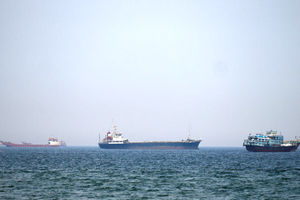
Iran-Oman Joint Hormuz Initiative Directly Challenges US Regional Security Order
The Strait is Within Our Geography
Recent military and economic threats issued by the US President and Treasury Secretary against the Sultanate of Oman reflect a deepening geopolitical rivalry in the Persian Gulf and Washington’s profound frustration over a joint legal initiative by Iran and Oman to cooperatively manage the strategic Strait of Hormuz.
-
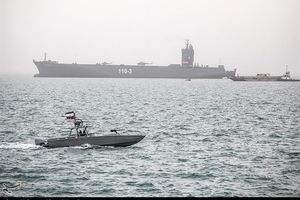
IRGC Navy Oversees Passage of 35 Vessels through Strait of Hormuz
The Islamic Revolution Guards Corps Navy announced that 35 vessels, including oil tankers, have passed through the Strait of Hormuz over the past 24 hours in coordination with and under the security protection of the Iranian forces.
-
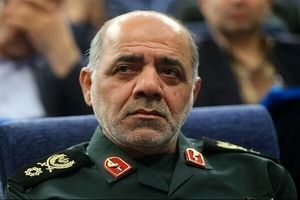
Iran warns US, its allies not to repeat strategic blunder
A top commander of Khatam al-Anbiya Central Headquarters has warned the US and its allies not to make a strategic mistake against Iran, emphasizing that Iranian Armed Forces are fully ready to respond decisively to aggression.
-

Iravani:
Situation in Strait of Hormuz and its economic consequences lie with war initiators and their partners
Iran's UN Ambassador stated that the current situation in the Strait of Hormuz and its global economic consequences lie solely and exclusively with the initiators of the war against Iran and their regional partners.
-
Iran UN envoy: Tehran calls on UN to reject US-Bahrain res. on Hormuz Strait
Iran’s ambassador to the United Nations has urged the UN member states to reject a joint US-Bahrain draft resolution on the Strait of Hormuz, describing the text as “deeply flawed, one-sided, and politically motivated.”
-
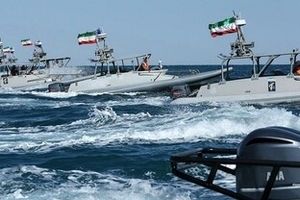
International Affairs Expert:
Military superiority in the Strait of Hormuz belongs to Iran
An international affairs expert stated that from the perspective of military analysts in NATO, Europe, China, and Russia, there is no military solution for the Strait of Hormuz, and even if one were assumed to exist, the advantage would lie with Iran.
-
Shipping Industry Alarmed by Trump’s Plan for Strait of Hormuz
The global maritime industry has raised serious doubts and expressed fear regarding U.S. President Donald Trump's plan to forcibly open the Strait of Hormuz, questioning the feasibility and safety of the mission.
-
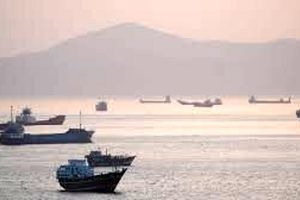
Iran fully prepared for any scenario in Hormuz Strait
An informed source has said to local Iranian media thet Iran is fully prepared for any scenario in the Strait of Hormuz and has already launched initial fire against a number of US military vessels.
-
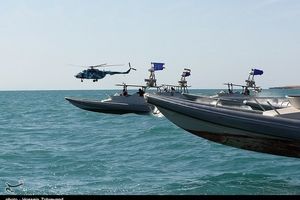
Iranian Commander Warns US Military over Hormuz Strait Presence
Commander of Iran’s Khatam al-Anbia Central Headquarters Major General Ali Abdollahi warned that any foreign military force, particularly the US, will come under attack if it attempts to approach or enter the Strait of Hormuz.
-

Oil prices jump as Strait of Hormuz tensions weigh on markets
Global oil prices climb markedly after renewed tensions in the Strait of Hormuz and the uncertainty of the prospects of further negotiations between Iran and the United States.