
The torture in the middle age: Some points about the tortures in this period
Tehran(KNA): We had an exclusive interview with Professor Paul Freedman about the causes of popularity of torture in the middle age.
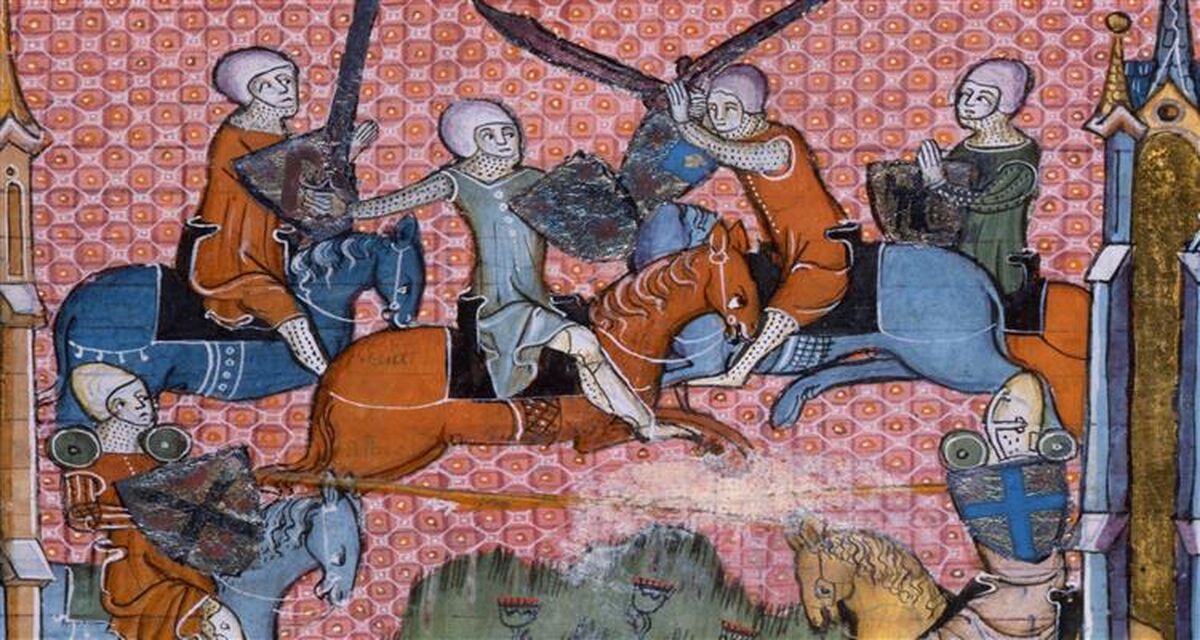
Europe's Medieval period (middle age) lasted from the 5th to the 15th century. During this time, torture was often used to extract confessions, or obtain the names of accomplices or other information about crimes. Laws and local customs did not impose limits on the treatment of prisoners or the extent to which torture could be inflicted.
The word 'torture' comes from the French torture, originating in the Late Latin tortura and ultimately deriving the past participle of torquere meaning 'to twist'.
Different types of torture were used depending on the victim's crime, gender, and social status. Skilled torturers would use methods, devices, and instruments to prolong life as long as possible while inflicting agonizing pain. Many prisoners were tortured prior to execution in order to obtain additional information; in many of these cases, the execution method was part of the torture endured by prisoners.
There were many different types of tortures in this age. Actually, you can see a genuine mind behind these tortures, because they are so complicated and advanced.
We can introduce you some of the strangest cases:
The Heretic's Fork was a special torture device reserved for those who spoke out against the Catholic Church during the Middle Ages. With two spiked ends, the device was attached to the victim's neck and only removed after the wearer had spoken words, "I recant."
In this method, a pot of hungry rats would be placed against to the belly of the victim. As the pot was slowly heated, the distressed rats would gnaw though anything in their way. Who would blame them!

Associated predominantly with the Inquisition, the iron maiden was a coffin-like device that was lined on the inside with spikes. The victim would be placed inside the chamber and the executioner would close the door behind them. While many have expressed doubt that it was ever used, it's easy to imagine the fear that this device would have instilled in prisoners.

But perhaps you ask why these complicated tortures were popular in this period of time. For what reason, you can see a variety of tortures in the Middle age? Are the tortures rooted in religious beliefs or in cultural traditions or not, on political system?
We had an interview with Professor Paul Freedman about this issue.
Paul Freedman is the Professor of History at Yale University. He specializes in medieval social history, the history of Spain, the study of medieval peasantry, and medieval cuisine.
he focused on the history of Catalan peasantry, papal correspondence with Catalonia and medieval European seigneurial regimes. He was awarded Vanderbilt's Nordhaus Teaching Prize in 1989 and was the Robert Penn Warren Humanities Center Fellow there in 1991-1992.

He explained his idea about the torture in the middle age and said:
"In answer to your question, torture was used partly in the judicial process, more in investigation than as punishment.
Certain categories of people--- slaves in the Roman Empire, for example, were not regarded as reliable witnesses and torture was seen as confirming their testimony, there were certain rules about who could be tortured and in what ways so there was a veneer of rationality, but of course it is at heart cruel.
For certain crimes regarded as particularly terrible, torture could accompany execution. This was rare, but a public spectacle to set an example".
He then focused on the variability of tortures in this age and said: "The variability is partly because of what I said above, that different crimes deserved different punishments, or different ways of compelling witnesses were thought to merit different torture. Some of it, however, must have to do with human ingenuity. As many recent examples attest, once you start torturing people, sadistic inventiveness starts to vary the infliction of pain".
At the end of this interview, Professor Freedman concluded that the variability of tortures is not related to religious and Christian beliefs.
"They may be used for religious motivation, but are not an aspect of belief ". He said.